Column · @felixfapk536
Independent Living vs. Assisted Living: Where Does Respite Care Fit in the Senior Care Spectrum?
Business Name: BeeHive Homes of Portales
Address: 1420 S Main Ave, Portales, NM 88130
Phone: (505) 591-7025
BeeHive Homes of Portales
Beehive Homes of Portales assisted living is ideal for those who value their independence but require help with some of the activities of daily living. Residents enjoy 24-hour support, private bedrooms with baths, medication monitoring, home-cooked meals, housekeeping and laundry services, social activities and outings, and daily physical and mental exercise opportunities. Beehive Homes memory care services accommodates the growing number of seniors affected by memory loss and dementia. Beehive Homes offers respite (short-term) care for your loved one should the need arise. Whether help is needed after a surgery or illness, for vacation coverage, or just a break from the routine, respite care provides you peace of mind for any length of stay.
1420 S Main Ave, Portales, NM 88130
Business Hours
Families seldom get up one early morning and decide, calmly and confidently, that it is time to move a parent into senior housing. Usually it comes after a slow develop of worry: a fall that might have been worse, medications that are getting blended, a spouse who is clearly tired from caregiving, or a creeping worry that you are missing out on warning signs since you live across town or in another state.
In that fog of issue, various terms start to blur together. Independent living. Assisted living. Respite care. Knowledgeable nursing. It can seem like alphabet soup at the precise moment you require clarity and calm, not jargon.
This is where a clear understanding of how independent living, assisted living, and respite care associate with each other can change the trajectory of decision making. Rather of responding to crisis, you can start to see senior care as a continuum, with alternatives that can be combined or sequenced to fit your family's reality.

I have actually invested years sitting at kitchen tables and center conference rooms with families who feel stuck in between keeping a loved one in the house and "putting them in a home." The truth is less plain. Independent living and assisted living serve various needs, and respite care can be a flexible bridge in between them, or a security valve that safeguards both the older grownup and the main caregiver.
The senior care spectrum in plain language
Senior care is not a single service. It is closer to a spectrum that varies from totally independent living to extensive medical care. Where your loved one fits depends upon function, safety, support system, and preferences, not on age alone.
Roughly speaking, it appears like this:
At one end are older adults living in their own homes, possibly with some home care or aid from family, however essentially managing their own lives. At the other end are nursing homes and long term care centers, where people receive 24 hr medical and personal care since of major disease or advanced disability.
Independent living and assisted living sit in the middle. They are both forms of residential senior care, however they are developed on extremely various presumptions about what the resident can and can not do.
Respite care fits in a different way. It can be a short-term stay inside an assisted living neighborhood, a couple of weeks of in home care, or a short-lived bed in a proficient nursing center after a hospitalization. It is less a location and more a function: momentary relief, support, or screening ground.
Understanding those distinctions is the primary step toward utilizing each choice wisely.
Independent living: lifestyle first, care second
Independent living neighborhoods are created for older adults who can manage their own individual care however want the benefit, security, and social structure of a senior environment. I often explain them as apartments or homes customized for older adults, covered in hospitality services rather of health care.
Most independent living settings provide personal homes with kitchen spaces or complete kitchens, communal dining-room, housekeeping, maintenance, arranged transportation, and a calendar of social and wellness activities. Some seem like peaceful garden neighborhoods, others like cruise liner that never ever leave port.
Crucially, independent living assumes that citizens can:
- Handle fundamental activities of daily living, like bathing, dressing, and toileting, without hands on help
- Manage their medications, whether by organizing tablet boxes, utilizing tip systems, or depending on household oversight
- Get to the dining room, doctor visits, and activities on their own or with minimal casual assistance
If a neighborhood notices that a resident is having a hard time, they might gently raise worry about the household, but the legal and regulatory structure seldom permits them to action in with hands on care as an assisted living facility could. Some independent living neighborhoods do permit homeowners to bring in personal responsibility caregivers, but that is a separate layer, not built into the core service.
Independent living works best for individuals who:
- Are mainly safe in the house but feel lonesome, bored, or burdened by household tasks
- Have early physical restrictions however no significant cognitive impairment
- Want to "ideal size" from a home that is too large or too much work
- See the move as a lifestyle option instead of a medical necessity
Families in some cases overstate the level of care readily available in independent living due to the fact that the environment feels supportive. I have actually seen adult kids presume that personnel will notice if Mom has not taken her blood pressure medication for three days. In numerous neighborhoods, nobody is actually inspecting. The risks are subtle at first: missed out on meals, bad hydration, slow health decrease. Over time, they can lead to falls, hospitalizations, or a sudden crisis that might have been preventable.
Assisted living: assistance with life, not a hospital
Assisted living is designed for older adults who are not safe living entirely on their own but do not require constant skilled nursing care. It is the workhorse of modern-day elderly care: a blend of housing, individual care, and sometimes limited health related services.
Physically, assisted living can look comparable to independent living: personal or semi private apartment or condos, communal dining, activities, housekeeping. The difference lies behind the scenes. Assisted living facilities have caregiving staff, frequently assisted living portales nm called resident assistants or qualified nursing assistants (CNAs), available all the time. Accredited nurses are typically present or on call, depending upon state regulations.
Typical assisted living services consist of assist with bathing, dressing, grooming, toileting, transfers, and medication administration or management. Personnel react to call buttons, check in on citizens, and coordinate with outdoors healthcare providers. Lots of communities can likewise handle chronic conditions like diabetes, some kinds of oxygen therapy, or moderate to moderate cognitive disability, though each center defines its own limits.
Assisted living works best for individuals who:
- Need hands on assist with a minimum of some activities of day-to-day living
- Are at danger of falls, roaming, or medication errors at home
- Have household caregivers who are burning out or can not provide 24 hr support
- Still take advantage of social engagement and a residential, non institutional environment
Families in some cases see assisted living as a last resort, but when chosen early enough, it can really protect self-reliance. I have actually viewed citizens grow stronger and more confident once the constant worry of falling in the shower or forgetting insulin doses was gotten rid of. Instead of struggling alone, they could save their energy for the parts of life they still enjoyed.
That stated, assisted living is not a small health center. Personnel can not lawfully carry out specific medical jobs outside their license, and they are not equipped to deal with highly complex cases, ventilators, or extreme behavioral symptoms without outdoors support. The line between assisted living and nursing home level care is partially medical and partially regulatory, and it differs by state.
Cost and payment realities
The financial element frequently shapes what is possible, often more than anybody likes to confess. Both independent living and assisted living are mainly personal pay in the United States. They may look comparable on a brochure, but how the money works can be really different.
Independent living is generally structured like rent plus services. Residents pay a monthly fee that covers the house, some or all meals, housekeeping, and facilities. Due to the fact that there is no bundled individual care, the base expense is often lower than assisted living for the exact same square footage. If a resident generates private caregivers, those services are paid separately, usually by the hour, and can build up quickly.
Assisted living costs include the apartment and a defined level of care. Some communities offer tiered rates based upon how much aid the resident needs, such as "Level 1" for light help and "Level 4" for extensive support. Others utilize a point system or all inclusive prices. Regular monthly expenses can increase if the resident's care needs grow, which can amaze families who anticipated a stable bill.
Health insurance and Medicare cover healthcare, however they generally do not pay for room, board, or long term custodial care in assisted living. Long term care insurance plan can assist if they are in place and the advantage triggers are met, however the provisions are extremely variable. Some states supply minimal Medicaid coverage for assisted living, yet waiting lists and eligibility rules are common.
Respite care engages with these costs in essential ways, especially as a way to "test drive" a neighborhood without devoting to a long term contract, or to purchase time while sorting out finances or benefits.
Where respite care fits: a versatile safety net
Respite care is momentary care for an older adult who typically lives at home or in a less supported setting, so that the main caregiver can rest, travel, recuperate from illness, or address other responsibilities. It can last anywhere from a couple of hours a week to numerous weeks at a time.
Respite care can be delivered in several kinds:
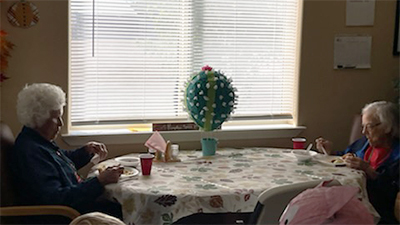
- In home respite, where a paid caretaker enters into the home to offer hands on support and supervision.
- Adult day programs, where the older adult invests part of the day in a structured environment with activities, meals, and staff oversight, then returns home in the evening.
- Short term stays in assisted living or skilled nursing, where the individual lives on website for a set period with access to the very same services as permanent residents.
Each version plays a different function, however all share the very same goal: to prevent caretaker burnout and lower the danger of crisis by preparing breaks instead of waiting on collapse.
In the context of independent and assisted living, respite care often serves three vital functions.
First, it provides trial runs. A short remain in an assisted living facility can show whether an individual who insists they are "great in your home" in fact loves structured assistance. I have seen proud, independent parents who fought the idea of "moving" agree to a 2 week respite stay while their daughter had surgical treatment. By the end, they had made good friends at lunch, taken pleasure in having someone else deal with medications, and chose to stay permanently by themselves terms.
Second, it provides pressure relief for household caregivers attempting to sustain somebody at home. A child might be doing everything right for his mother in independent living, going to daily, managing her medications, and arranging outside caretakers. A planned 3 week respite remain in assisted living while he travels for work safeguards both of them from the all too typical pattern of eleventh hour, crisis driven placement.
Third, respite care covers transitions, particularly after hospitalizations or rehab stays. A person who lived individually before a fall might not be safe to return directly to their old arrangement, however might also not need a permanent assisted living move. A month of respite in assisted living allows time to see what their brand-new baseline actually is, without dedicating to a long term lease.
Independent vs assisted living: useful differences that matter
On paper, the distinctions between independent living and assisted living are clear. In truth, families frequently battle with gray zones. A parent may be mostly independent but gradually reducing weight. Or they might "handle" medications however only since a partner constantly reminds them. These borderline scenarios expose the practical gaps in between the two models.
A few styles come up repeatedly in real cases.
Supervision versus care. Independent living staff watch on the neighborhood environment, but they are not accountable for specific locals' health in the very same way assisted living staff are. If someone does disappoint up for supper for 3 nights, independent living may eventually knock, but assisted living will likely observe and examine much sooner, often within hours.
Timing of aid. In assisted living, pressing the call button triggers a staff response. In independent living, there is frequently no expectation of immediate in room assistance. Citizens who fall in their apartments might wait much longer to be found unless they have extra tools like emergency situation pendants, movement sensors, or daily check in calls.

Medication management. This is often the turning point. As soon as an older grownup can no longer securely self handle medications, a purely independent setting ends up being dangerous. Assisted living can formally take control of, documenting administration, tracking rejections, and collaborating with physicians. Trying to reproduce that in independent living through family oversight works just as long as the caretaker can reliably visit or monitor.
Progression of disease. Chronic conditions like Parkinson's illness, heart disease, or early dementia can be fairly well supported in independent living at first. Gradually, the cognitive or physical needs on the resident boost. If the neighborhood does not have actually integrated in assistance, the family should serve as the buffer. Eventually, lots of families reach a tipping point where the patchwork of aides and household visits becomes more complex and expensive than an assisted living move.
Respite care can be used strategically around these tipping points. A brief assisted living stay for "healing" after a fall can reveal hidden care requirements that were masked in the house or in independent living. Possibly personnel notice that the resident requires moderate aid with toileting during the night, something the partner or adult child never fully confessed. That details can shape whether the next action is more home support, an irreversible move, or another type of senior care.
Using respite care to make much better long term decisions
Families who use respite care thoughtfully tend to make more positive, less reactive choices. The secret is to deal with respite not just as momentary relief, however as data gathering.
A brief assisted living respite stay can respond to a number of practical questions:
- How does the person respond to staff assistance with bathing, dressing, or medications?
- Do they join activities and meals, or retreat to their room?
- Are there behavioral or cognitive issues that surface more clearly in a structured setting?
- Do regular nighttime needs emerge that would be tough to manage at home?
A genuine example: an 84 years of age female, living in independent living, physically capable however very isolated, accepted a 1 month respite in assisted living after a hospitalization for dehydration. Her child made certain this was simply a bridge back to independence. Throughout respite, staff saw noticable short-term memory loss, medication confusion, and anxiety when regimens altered. Her daughter had actually dismissed these as "simply aging," however in assisted living the patterns were obvious. Since this emerged throughout a prepared respite rather than a crisis, they could discuss options calmly. The woman picked to remain in assisted living, framing it as "finishing to more assistance," instead of feeling forced.
Respite can also provide caretakers a practical view of their own limitations. I have seen deeply dedicated spouses who insist they "can manage" whatever in the house, just to realize, during a two week respite stay, how tired they truly were. They sleep through the night for the first time in months, notice aches they had actually overlooked, or lastly arrange their own past due medical visits. That lived contrast typically moves the discussion from "I am stopping working if I can refrain from doing all of it" to "We require a sustainable strategy."
Questions families need to ask before selecting a level of care
Families in some cases feel forced to choose rapidly. Taking even a brief time out to ask the right questions can avoid bad moves. When weighing independent living, assisted living, and making use of respite care, it helps to start with a blunt, truth based self assessment.
Consider this brief checklist as you assess options:
- Is my loved one safe alone for extended durations, including at night, without immediate help nearby?
- Can they consistently manage all medications, meals, and health without suggestions or hands on assistance?
- What specific jobs am I (or other relative) doing for them now, and how sustainable is that over the next year?
- How would things change if I got ill, needed to travel, or could not be there as often?
- Have we tried or a minimum of gone over a trial respite remain to understand how they work with more structured support?
The answers frequently expose whether the present setup is barely holding together or really practical. If independence depends on one overwhelmed caretaker and brittle routines, respite care is not a luxury. It is an early intervention.
Coordinating respite within different settings
Where and how you set up respite depends heavily on where your loved one lives today.
For someone currently in independent living, respite may involve a short-lived relocate to an assisted living home within the exact same school, if available, or to a close-by center. Some larger senior living campuses have both independent and assisted living under one umbrella, with basic prices for respite stays. Others partner with regional assisted living or proficient nursing facilities.
For someone living alone in a personal home, respite might suggest generating in home caregivers part time or full-time for a set period, registering in an adult day program, or organizing a temporary assisted living stay. Adult day programs are especially underused. A couple of days each week in a structured setting can offer caregivers daytime relief and also supply early warning signs of decrease. Personnel notice who is quietly withdrawing, who is having problem with fundamental jobs, and who may take advantage of more comprehensive senior care.
If the person already resides in assisted living, respite may be needed for the caretaker more than for the resident. Adult kids in some cases move a parent better, help them settle, then understand they need to go back briefly. An organized week where the neighborhood knows the daughter is deliberately not visiting can check whether the care strategy is genuinely sufficient without her continuous presence.
Payment for respite care is irregular. Some long term care insurance coverage cover it approximately a maximum variety of days per year. Particular federal government programs, specifically for veterans or people with specific medical diagnoses, may money restricted respite hours. More frequently, households pay independently day by day or week. While that can feel pricey, it is often more affordable than the downstream expenses of caregiver collapse: lost jobs, illness, or hurried long term positioning in the wrong setting.
Emotional resistance and how respite can soften it
The hardest part of all of this is rarely the documents or logistics. It is the emotional weight behind words like "care," "facility," and "help." Lots of older adults hear "assisted living" and photo old style nursing homes. Lots of caregivers hear "respite" and feel guilty at the really concept of a break.
I have actually discovered not to argue directly with those sensations. Rather, I frame respite and assisted living as tools to safeguard autonomy and relationships.
For increasingly independent senior citizens, a brief, clearly time limited respite stay typically feels more acceptable than an open ended relocation. They can consent to "attempt it while I recover from this fall" or "provide you a break because you have your own surgical treatment showing up." When on website, they experience the daily reality rather than their fears. Often they choose to remain. Often they do not, but both results are based on lived experience, not thought of scary stories.
For caregivers drowning in obligation, calling respite as a health intervention can help. Exhaustion, chronic sleep loss, and unmanaged stress are danger elements for severe disease. Protecting the caretaker's health becomes part of responsible elderly care, not a self-centered indulgence. A scheduled respite block can be scheduled on the calendar, like any other medical appointment, to shift it out of the world of unclear intent into concrete plan.
The other psychological piece is timing. Relocations made in the middle of crisis tend to feel traumatic. Relocations that take place after several respite stays typically go more smoothly. The surroundings are familiar. Personnel are not complete strangers. Routines have actually currently been tested and tweaked.
Bringing it together: using each alternative in the right way
Independent living, assisted living, and respite care are not competitors. Each addresses a specific slice of requirement, and the most resilient care plans frequently weave them together over time.
Someone might start in their own home with a few hours of in home respite care weekly. As the caretaker's burden grows, they may add an adult day program, then shift to independent living for social support and minimized household needs. A bad fall might set off a month of respite in assisted living, exposing previously hidden care needs. That trial might cause an irreversible assisted living residency, with routine respite periods built in for member of the family who stay deeply involved.
Another individual may move straight from home to assisted living after a stroke, utilizing respite protection from their long term care policy to finance the first thirty days while documents captures up. Later on, as they support, they might move to a lower care level within the same school or move more detailed to a various member of the family, once again using a brief respite stay as a soft landing.
The common thread is versatility. Rather of locking into a single label like "independent" or "assisted," families who believe in regards to a spectrum can adjust as conditions change. Respite care serves as the shock absorber in that system, taking pressure off at key moments, revealing real requirements, and allowing modifications before small problems end up being emergencies.
Senior care is seldom neat. Conditions advance unevenly. Family situations change. Facilities develop. The objective is not to select the best option as soon as, however to develop a course that can bend without breaking. Understanding how independent living, assisted living, and respite care relate gives you more room to maneuver, and more ways to protect both the older adult's self-respect and the caregiver's well being over the long run.
BeeHive Homes of Portales provides assisted living care
BeeHive Homes of Portales provides memory care services
BeeHive Homes of Portales provides respite care services
BeeHive Homes of Portales supports assistance with bathing and grooming
BeeHive Homes of Portales offers private bedrooms with private bathrooms
BeeHive Homes of Portales provides medication monitoring and documentation
BeeHive Homes of Portales serves dietitian-approved meals
BeeHive Homes of Portales provides housekeeping services
BeeHive Homes of Portales provides laundry services
BeeHive Homes of Portales offers community dining and social engagement activities
BeeHive Homes of Portales features life enrichment activities
BeeHive Homes of Portales supports personal care assistance during meals and daily routines
BeeHive Homes of Portales promotes frequent physical and mental exercise opportunities
BeeHive Homes of Portales provides a home-like residential environment
BeeHive Homes of Portales creates customized care plans as residents’ needs change
BeeHive Homes of Portales assesses individual resident care needs
BeeHive Homes of Portales accepts private pay and long-term care insurance
BeeHive Homes of Portales assists qualified veterans with Aid and Attendance benefits
BeeHive Homes of Portales encourages meaningful resident-to-staff relationships
BeeHive Homes of Portales delivers compassionate, attentive senior care focused on dignity and comfort
BeeHive Homes of Portales has a phone number of (505) 591-7025
BeeHive Homes of Portales has an address of 1420 S Main Ave, Portales, NM 88130
BeeHive Homes of Portales has a website https://beehivehomes.com/locations/portales/
BeeHive Homes of Portales has Google Maps listing https://maps.app.goo.gl/1xZDfURp3wt4uv3T6
BeeHive Homes of Portales has TikTok page https://tiktok.com/@beehive.home.of.portales
BeeHive Homes of Portales has an YouTube page https://www.youtube.com/@WelcomeHomeBeeHiveHomes
BeeHive Homes of Portales has Facebook page https://www.facebook.com/BeeHiveHomesOfPortales
BeeHive Homes of Portales has Instagram page https://www.instagram.com/beehivehomesofportales/
BeeHive Homes of Portales won Top Assisted Living Homes 2025
BeeHive Homes of Portales earned Best Customer Service Award 2024
BeeHive Homes of Portales placed 1st for New Mexico Senior Living Communities 2025
People Also Ask about BeeHive Homes of Portales
What is BeeHive Homes of Portales Living monthly room rate?
The rate depends on the level of care that is needed. We do a pre-admission evaluation for each resident to determine the level of care needed. The monthly rate is based on this evaluation. There are no hidden costs or fees
Can residents stay in BeeHive Homes of Portales until the end of their life?
Usually yes. There are exceptions, such as when there are safety issues with the resident, or they need 24 hour skilled nursing services
Do we have a nurse on staff?
No, but each BeeHive Home has a consulting Nurse available 24 – 7. if nursing services are needed, a doctor can order home health to come into the home
What are BeeHive Homes of Portales's visiting hours?
Visiting hours are adjusted to accommodate the families and the resident’s needs… just not too early or too late
Do we have couple’s rooms available?
Yes, each home has rooms designed to accommodate couples. Please ask about the availability of these rooms
Where is BeeHive Homes of Portales located?
BeeHive Homes of Portales is conveniently located at 1420 S Main Ave, Portales, NM 88130. You can easily find directions on Google Maps or call at (505) 591-7025 Monday through Sunday 9:00am to 5:00pm
How can I contact BeeHive Homes of Portales?
You can contact BeeHive Homes of Portales by phone at: (505) 591-7025, visit their website at https://beehivehomes.com/locations/portales/ or connect on social media via TikTok Facebook or YouTube
You might take a short drive to the Blackwater Draw Museum. The Blackwater Draw Museum offers fascinating archaeological exhibits that create enriching outings for assisted living, memory care, senior care, elderly care, and respite care residents.